

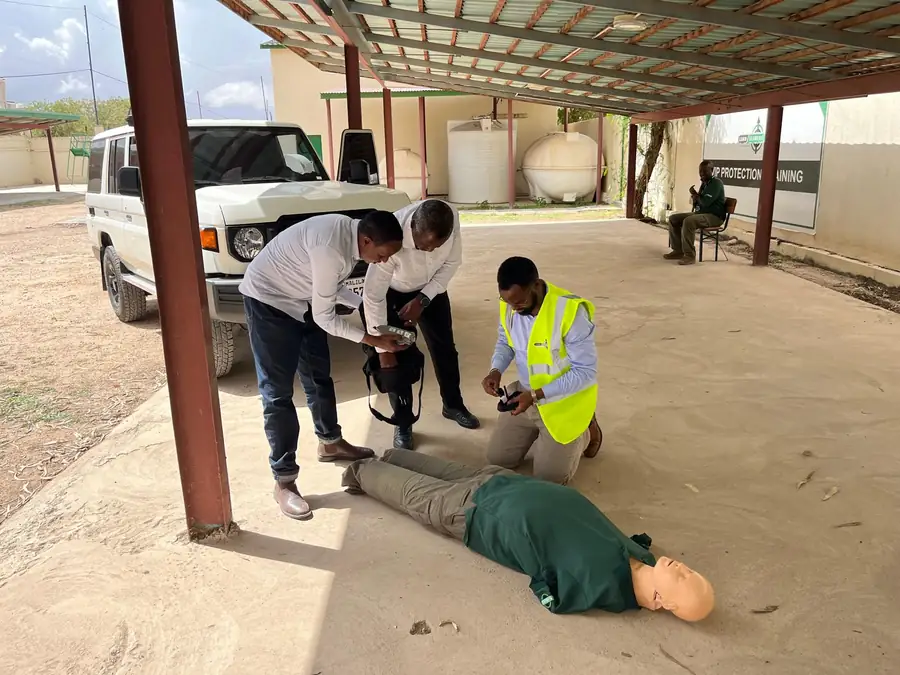
HEAT International Security Training Specialists in London
Sending staff into a higher risk region without proper preparation is a gamble few employers should be willing to take. A generic travel briefing does not prepare someone for a checkpoint, civil unrest or a medical emergency in the field.
Instructors Who Have Actually Been There
Lead Element International delivers Hostile Environment Awareness Training built and taught by former Armed Forces personnel who have operated in the environments this course prepares people for.
This is practical training grounded in direct experience, not a course written from a manual. A course is only as credible as the people teaching it, and delegates are taught by people who have made these judgement calls themselves in the field.
Call +44 (0)207 126 7071 to arrange your consultation and no obligation quote from our team of specialists in London.
Book now
Why Hostile Environment Training Matters
Too many employers assume a travel policy and basic insurance are enough preparation for higher risk deployment. The reality often looks very different:
The consequences of being unprepared in these situations can be serious, both for the individual and for the employer’s duty of care.
- Freezing or panicking at checkpoints and hostile approaches
- Untreated but survivable injuries in the critical first minutes
- Poor situational awareness missing the early warning signs of an attack
- Communications breaking down the moment a plan meets reality
- Journey and evacuation plans that exist on paper but were never rehearsed
What Our HEAT Course Covers
Our course is built around what people actually need to know before deployment, not a fixed syllabus disconnected from real conditions. Core content covers situational awareness and recognising threats before they escalate, actions on incidents including civil unrest and checkpoints, trauma and first aid fundamentals, and communication and reporting under pressure.
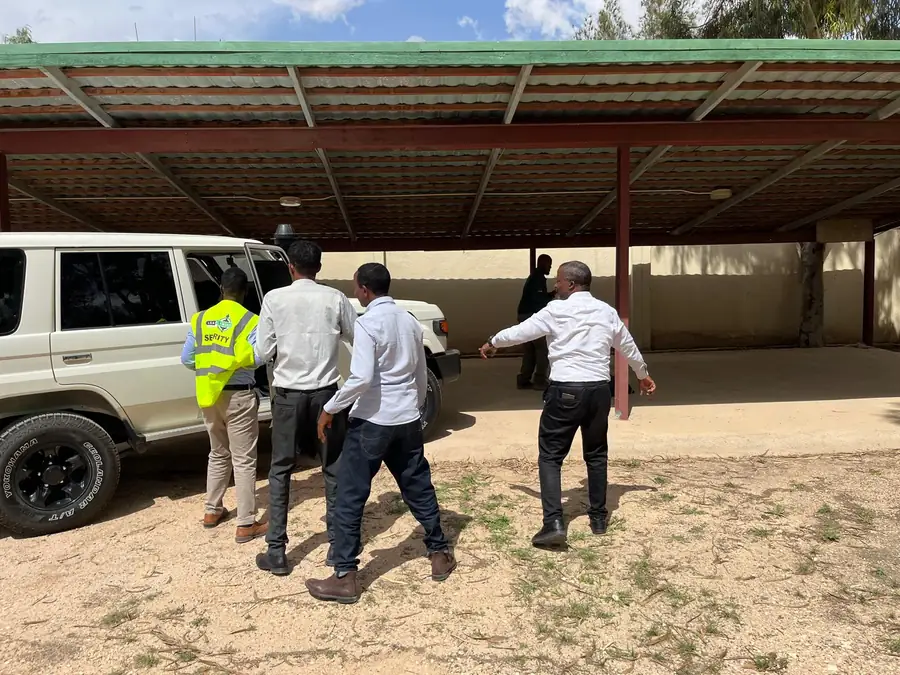 Situational Awareness
 Checkpoint & Journey Management
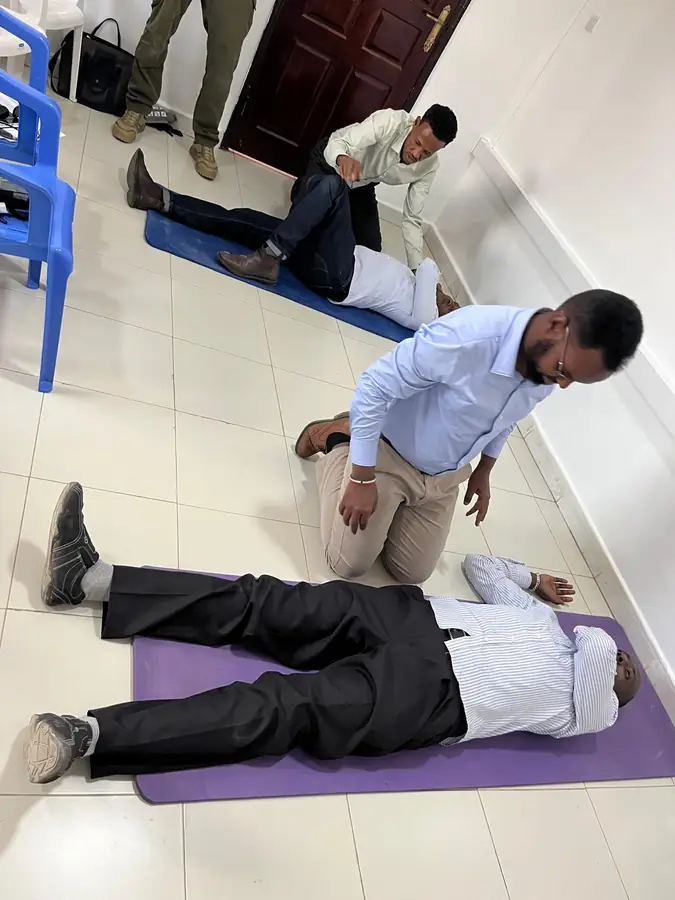 Trauma & Casualty Care
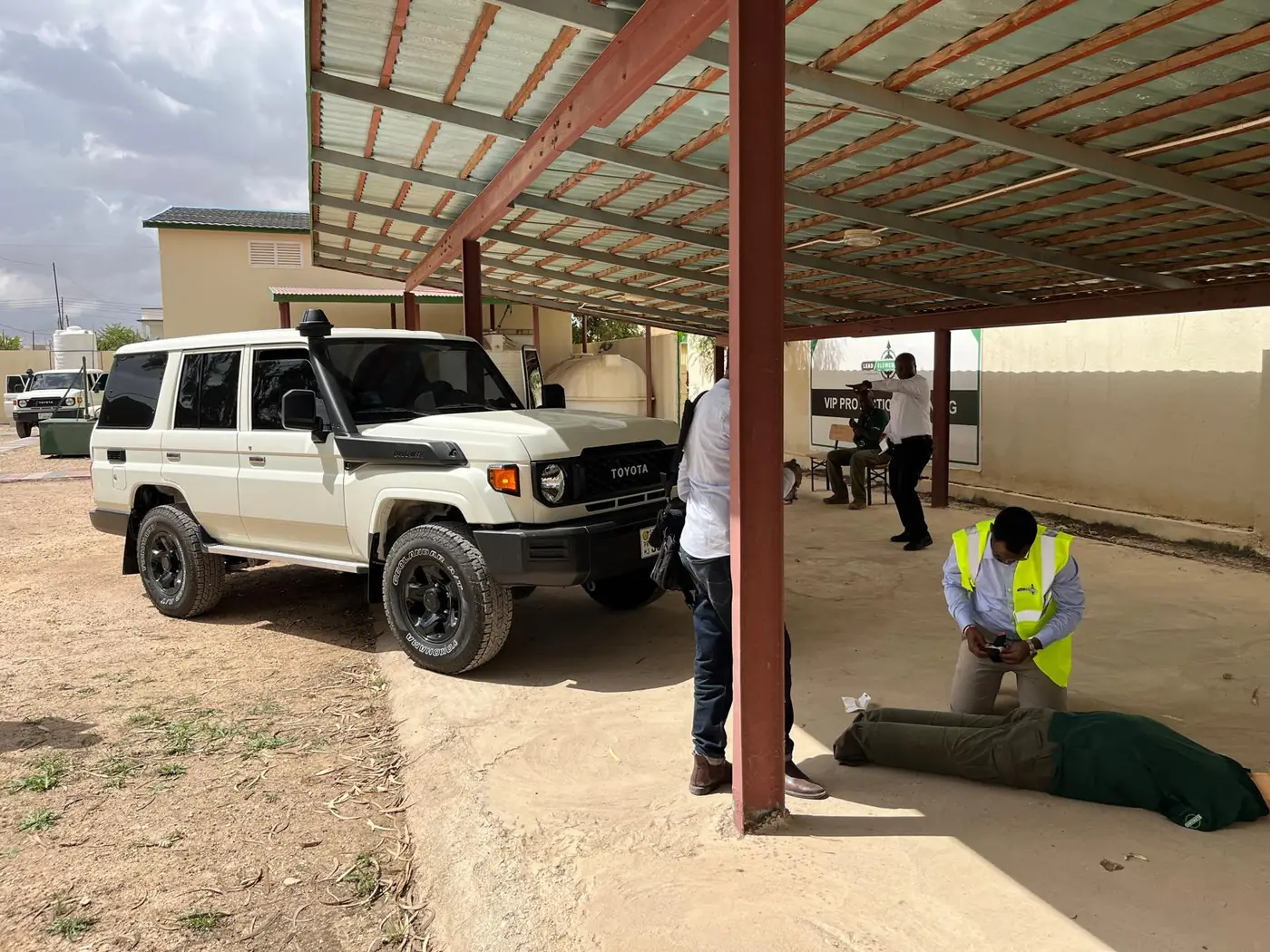 Threat & Attack Response
 Communications & Reporting
Course Format and Delivery

HEAT is delivered in a way that reflects real conditions, not a classroom lecture. Delivery combines classroom instruction with practical, scenario-based training, in small group sizes that allow direct instructor engagement with every delegate.
- ›Risk assessment and dynamic threat awareness
- ›Cultural awareness and local engagement
- ›Communications and journey management
- ›Principles of trauma and casualty care
- ›Checkpoint, kidnap and hostage-survival theory
The balance between theory and practical exercise is what makes the training stick when it matters.

Training can be delivered at Lead Element International’s training facility or on your own premises, depending on your needs. Scenarios reflect situations instructors have actually encountered, not hypothetical examples.
- ›Live checkpoint and hostile-approach drills
- ›Simulated medical and mass-casualty scenarios
- ›Vehicle and foot evacuation under pressure
- ›Communications and contact-report practice
- ›Structured debrief and individual feedback
This is what separates HEAT delivered by Lead Element International from a course taught entirely from the classroom.
HEAT and Your Duty of Care
Employers deploying staff into higher risk regions carry a duty of care to take reasonable steps to protect their wellbeing. Rather than relying on policy alone, this training provides practical skills to respond to a genuinely difficult situation, evidence that preparation took place before deployment, and a team that knows how to act rather than one that has simply been informed of the danger.
Knowledge, procedure & principles
Rehearsed, pressure-tested scenarios
A duty of care your team can truly rely on
Why Choose Lead Element International for Hostile Environment Awareness Training
Training for a hostile environment should be taught by people who have operated in one.
Booking Your HEAT Course in London
Arranging training starts with understanding exactly who is being deployed and where. From that first enquiry onwards, the course is shaped around your team’s actual deployment, not delivered as a fixed, one size fits all package.
Initial enquiry
Tell us about your team and their upcoming deployment.
Needs assessment and scheduling
We identify the specific risks relevant to their destination and role, then agree course dates, group size and location.
Delivery
Your team receives training built around the conditions they will actually face.
Book your HEAT course today
Common questions
HEAT is built for anyone being deployed into unstable or high-risk regions, whether that’s NGO field staff, journalists, government teams or corporate employees travelling somewhere unfamiliar. Tell us about your team’s destination and role, and we will advise on whether this is the right course for you.
It’s a mix of both, with real weight given to scenario-based, practical exercises. You will cover risk awareness and threat assessment, situational awareness, journey management, incident response, and first aid in hostile environments, all reinforced through practical exercises that reflect real-world conditions.
No, and that’s exactly who this course is designed for. Every instructor has a high-risk operational background themselves, and they know how to build confidence and capability in people who have never been in this kind of environment before. You leave able to assess risk, make informed decisions under pressure, and respond effectively to incidents.
The course is structured to fit realistically around deployment timelines, and we will confirm exact scheduling once we understand your teams departure date. The earlier you get in touch, the more we can tailor the training to your specific destination, but we understand that deployments don’t always allow for months of notice and we will work with the time you have.
It applies far more broadly than conflict zones alone. Instability, crime, civil unrest and unfamiliar operating conditions all carry real risk, and the same core skills, situational awareness, journey management and sound decision-making under pressure, apply whether the environment is openly hostile or simply unpredictable.
Directly, and deliberately so. The course is built to support both personal safety and organisational duty of care, giving you a demonstrable record that your organisation took real steps to prepare staff before deployment. If your duty of care obligations are ever scrutinised, this training is tangible evidence you took them seriously.