


Crisis & Emergency Planning Training
A crisis rarely announces itself in advance, and how a team responds in the first hour often shapes everything that follows. Teams that have rehearsed their response make faster, clearer decisions. Teams that have not are left improvising when it matters most.
Trained by People Who Have Managed Real Crises
Lead Element International delivers crisis and emergency planning training built by former Armed Forces personnel with direct experience of high pressure decision making.
This is practical, scenario-led training, not a theoretical course delivered by people who have never had to make the call themselves. Our instructors understand what it actually feels like to make a call with incomplete information, and that grounding is what makes the training stick once delegates are back at their desks.
Call +44 (0)207 126 7071 to arrange your consultation and no obligation quote from our team of specialists in London.
Book now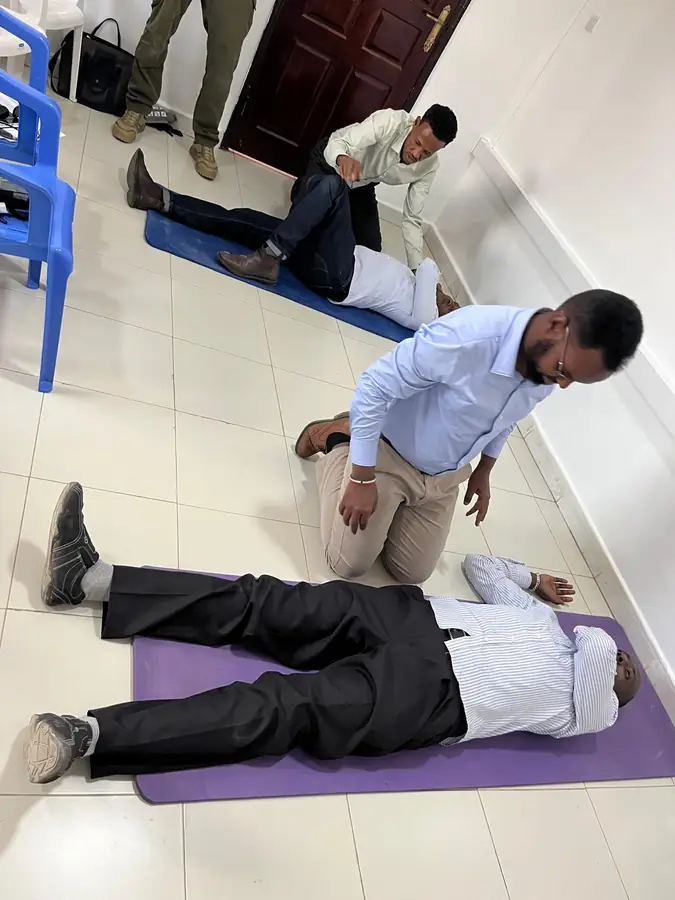
When a Crisis Hits, Preparation is What Counts
Most businesses only discover the gaps in their crisis response once they are already living through one. Common issues include:
Training in advance is what turns a written plan into a team that can actually execute it.
- Unclear roles and decision-making authority when minutes matter
- Plans that were written but never tested or rehearsed
- Communications and stakeholder messaging breaking down under pressure
- No defined thresholds for escalating an incident to a crisis
- Recovery and lessons-learned neglected once the immediate danger passes
What Our Crisis Management Training Covers
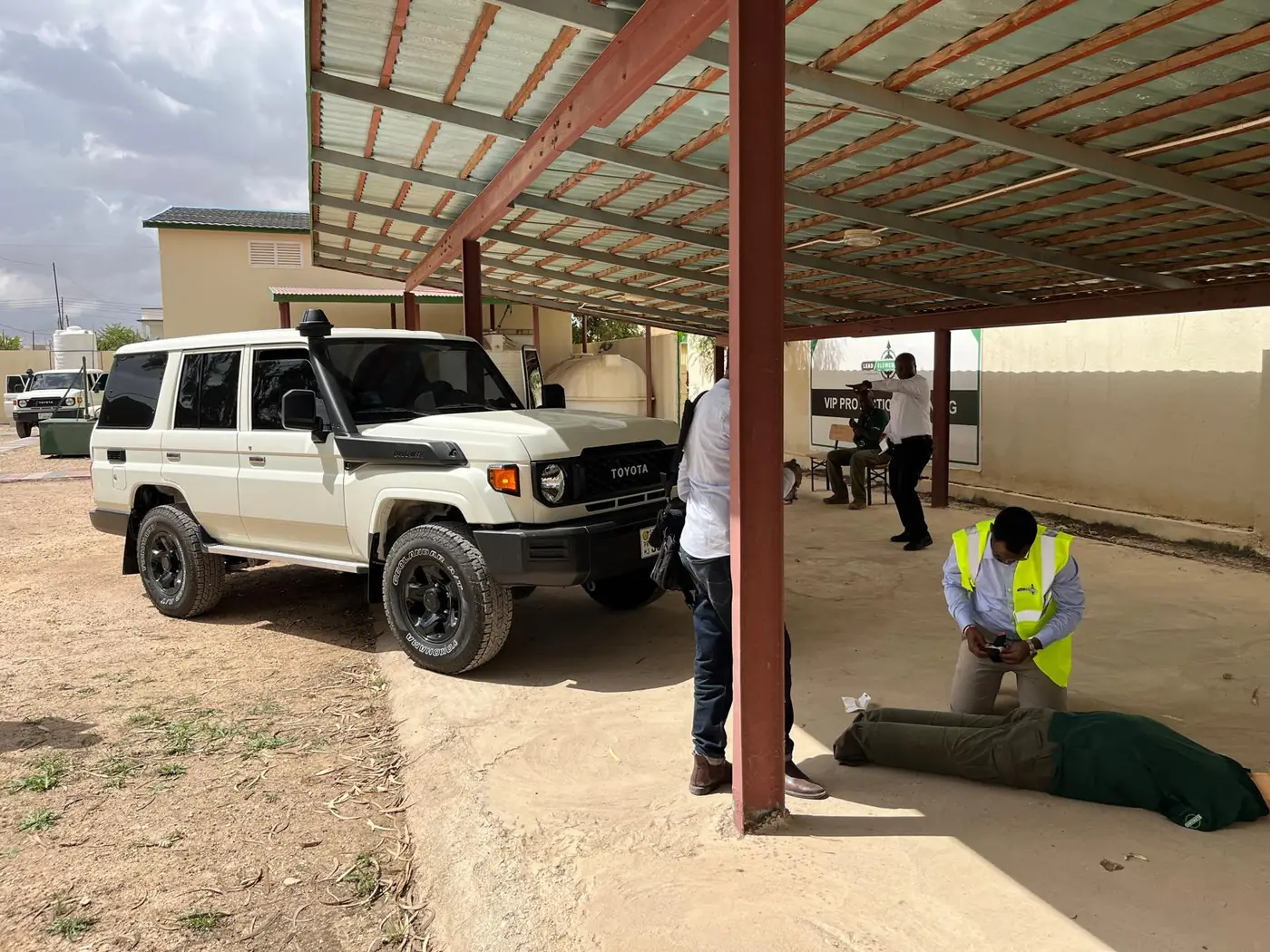
Our course is built around the practical demands of managing a live incident, not a static presentation. Core content covers decision making under pressure with limited information, clear roles and responsibilities during an incident, scenario-based team exercises that mirror real conditions, and internal and external communication. Every session tests how a team actually performs, not just what they can recall from a slide.
 Risk & Threat Assessment
 Business Continuity Planning
 Incident Command & Control
 Communications & Media Handling
 Recovery & Review
Business Continuity Planning

Crisis management and business continuity are related, but they solve different problems. Crisis management is about how a team responds in the moment. Business continuity is about keeping operations running during and after that disruption.
- ›Risk registers and business-impact analysis
- ›Roles, responsibilities and decision authority
- ›Escalation thresholds and activation triggers
- ›Continuity priorities and resource planning
- ›Communication and stakeholder protocols
Our business continuity training covers identifying which functions and processes are critical to keep running, practical steps to maintain operations during a prolonged disruption, and recovery planning to return to normal operating conditions.
Crisis training only works if it feels close to the real thing. Delivery combines scenario and tabletop exercises that put teams through a realistic incident with small group sizes that keep every delegate actively involved.
- ›Table-top major-incident simulations
- ›Live command-and-control exercises
- ›Media and stakeholder pressure scenarios
- ›Communications and battle-rhythm drills
- ›Structured debrief and plan refinement
Delivered alongside crisis management training, this gives your business a complete picture, both how to respond to the incident itself and how to keep functioning through it.
Who Should Attend Crisis and Emergency Planning Training
This training suits any organisation that cannot afford to be caught unprepared: senior leadership and management teams, businesses operating in higher risk regions, NGOs and charities managing field operations, and event organisers responsible for large gatherings. Whatever the sector, a team that has practised its response performs better than one relying on a document nobody has read under pressure.
Roles, thresholds & protocols
Table-top & live simulations
A team that has practised, not just read the plan
Why Choose Lead Element International for Crisis and Emergency Planning Training
Crisis training should be delivered by people who have handled real pressure, not just studied it.
Booking Your Crisis Management Training Course
Getting the right course in place starts with understanding your team and the risks they face. From that first conversation onwards, the course is shaped around your business, not delivered as a fixed, generic package.
Initial enquiry
Tell us about your business and the risks most relevant to you.
Needs assessment and scheduling
We identify the specific scenarios your team should be prepared for, then agree course dates, group size and location.
Delivery
Your team is trained against scenarios built around your actual risk exposure.
Book your crisis training today
Common questions
HEAT prepares individuals to operate safely in a hostile environment day to day. Crisis and emergency planning training prepares your team to manage a major incident as it unfolds, decision-making under pressure, roles and responsibilities and coordinated response. Many organisations benefit from both but tell us your situation and we will advise on what you need.
It’s built around drills and simulations, not passive learning. We start by identifying the specific emergencies relevant to your operation, which might include fires, explosions, spills, natural disasters, or operational hazards like chemical exposure and equipment failure, then run structured exercises that test how your team performs under pressure. Post-incident reviews follow, so lessons are captured rather than lost.
We understand that leadership time is limited, so sessions are structured to be as efficient as possible without cutting the substance that really matters. Tell us your team’s availability, and we will design a programme that fits around it.
This is precisely why the training focuses on decision-making and adaptability, not a fixed script for every possible scenario. Real crises rarely unfold exactly as planned, so we train your team to apply sound judgement and clear roles to situations that weren’t specifically rehearsed, drawing on the same operational discipline our instructors developed long before working in training.
Both. We carry out proper risk assessments and build structured emergency response plans aligned to your specific operational risks, then train your team against them through drills and simulation. You leave with a genuine, usable plan and a team that has practised applying it, not a training certificate and nothing else.
Regular drills and simulations are built into the approach specifically to keep skills current, not treated as a one off event. Post-incident reviews, whether from a real event or a rehearsed exercise, feed back into refining your plan and your team’s preparedness. Crisis readiness is something we help you maintain, not something we deliver once and leave behind.